

If the flower does not bloom...

December 18, 2019

Share this article:

…fix the environment in which it grows, not the flower”


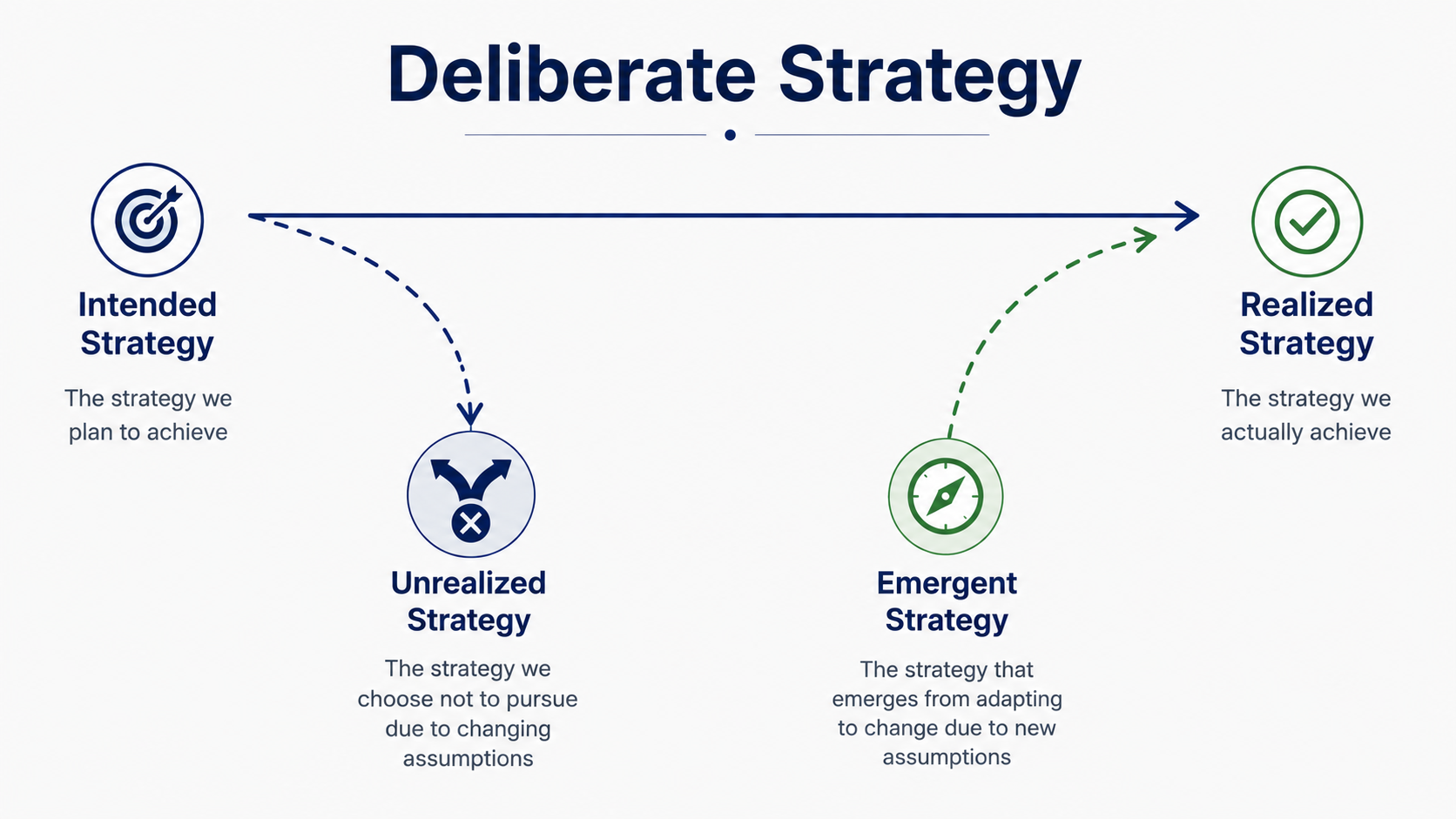
What bloomed in your business this year? What didn’t? This is the time of year when many leaders are taking stock of their business to celebrate successes of the past business cycle. Possibly salary increases and bonuses for the deserving are part of the discussion along with stronger relationships for the upcoming year. It is also the time of year to understand the misses from what was planned twelve months prior. Reflecting on what assumptions changed or did not play out as planned and what was misinterpreted leading to less than desired results.


As we go through these conversations and reflections, it might be easy to identify individuals and teams who contributed to both the successes and the misses. While rewarding the high contributing teams for their great work is a must, stopping there misses the bigger issue identified in the title with Alexander Den Heijer’s quote in the title. How much time is spent understanding how the environment impacted the overall results? We intellectually know the importance of culture and yet give it short shrift when conducting the year-in-review. As a reminder, we define organizational culture as the cumulative values, beliefs, attitudes, norms and assumptions that guide the behavior of its members. With that in mind, let’s explore how organizational culture will impact the sustainable success of your business in the coming year by looking through an internal and external lens.


How does your culture support internal unity? Every organization has a culture, the question is whether it is the right culture. Culture is, in effect, a social control mechanism for the members of the organization. Because it includes things like unwritten rules and a form of peer pressure, it has a very real impact on how the organization performs as a whole. In many respects, an effective strong culture needs fewer formal rules because everyone on the team and throughout the organization knows what to do, how to do it the right way and hold themselves accountable to getting it done!


How does your culture support external adaptability of the organization? Every organization I’ve led in my corporate leadership experience was consciously set up for success by a culture of adaptability. A line made famous in the movie Ferris Bueller’s Day Off goes, “Life moves pretty fast. If you don’t stop and look around once in a while, you could miss out.” An adaptable culture allows the organization to respond quickly to changing client needs and competitive challenges among other things that are ever present in today’s dynamic business environment. With change you are either driving change or you are a victim of change. I have not talked to any business leader consciously looking to do the latter!


In a previous post, we wrote about how an organization’s culture is shaped by the worst behavior the leaders are willing to tolerate. As you lead your organization into a new business cycle and/or fiscal year, be it a for-profit, non-profit, large corporate business unit or small niche business, how you build internal unity and external adaptability into your culture will determine what kind of conversation we will have a year from now!


How are you changing your environment so your business blooms?


Lead Well!

Follow Us:

Our Latest Insights

By Rick Lochner • October 26, 2026
...by its resiliency in uncertainty”
How are you leveraging AI to differentiate your business?
By Rick Lochner • September 28, 2026
...so that you can do something about it now”

By Rick Lochner • August 26, 2026
...it’s the product of their interaction.” While we’ve written intermittently about systems and processes, the current VUCA (Volatile, Uncertain, Comple, Ambiguous) business environment compels us to spend more time on how important systems thinking is to effective leadership. We are using the title quote from the late Russell Ackoff , who was a pioneer in the field of operations research, systems thinking and management science. And to illustrate the importance of the title quote, we will use a case study we came across a year ago to drive the point home. The project was a joint venture between General Motors and Toyota named the New United Motor manufacturing, Inc. or NUMMI for short. The goal of the venture was to apply the lessons Toyota learned around lean manufacturing to a failing GM plant in Fremont, California. The results were dramatic in the increased productivity of the plant proving that transformation could occur with fundamentally the same personnel in the plant before and after the switch. While the application of lean methodologies succeeded in producing much improved results, the lessons learned were ultimately lost on GM leadership. They concluded that it was the processes alone that created the change since the personnel were basically the same. In fact, it was the interrelationships between the processes that carried the success of the venture overall. Today, that plant is owned by Tesla. So, what does that mean in a VUCA business environment? It means that leaders trying to react and flex to pieces and parts of the system that are impacted by change will struggle to solve the problem in a sustainable way. It is understanding that volatility and/or complexity, while deeply affecting one particular part of the system, ultimately has systemic impacts across other systems as well. It also means that uncertainty and/or ambiguity will make it difficult to ascertain where the solution lies without looking at the business through the lens of systems thinking. Now, just for the fun of it, let’s throw in the impact of artificial intelligence (AI). The AI impact has come at the business environment with a vengeance to the point where we are already seeing the strategic and systemic challenges encountered by early adopters. In our estimation, it once again looks like business leaders are adopting AI as a workforce replacement instead of addressing where AI fits into the current and desired systems approach to the business. Once again, the absence of being able to see the interrelationships between systems creates major blind spots and lessons not learned similar to the NUMMI and GM venture. From our 2022 book, “ Finding the Missing Piece : The Impact of Effective Communications on sustainable Success”, we define systems thinking as, “...a holistic approach focusing on how a system’s components work together, how a system operates over time as well as how it operates in the context of other larger systems.” The only way systems can provide the foundational value to the organization is through leaders who can fully appreciate and understand its benefits, especially in a VUCA business environment! How are your leadership interactions enhancing the business systems? If you’re not sure, we can help . Lead Well!